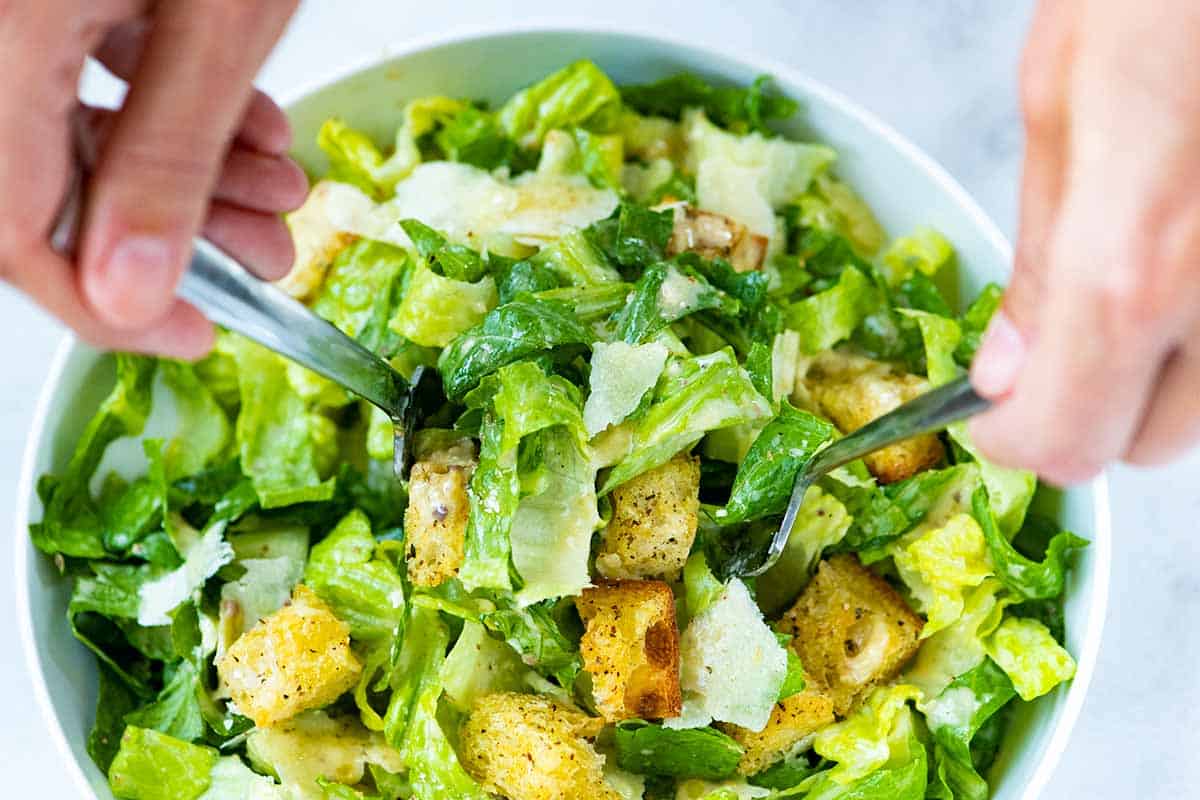
Elevate Your Caesar: Crafting the Quintessential Dressing and Peppery Croutons
Few salads command the culinary respect and widespread adoration quite like the classic Caesar salad. More than just a simple mix of greens, it's a symphony of textures and flavors: crisp romaine, robust Parmesan, and, most crucially, a dressing that's both creamy and punchy, perfectly complemented by crunchy, seasoned croutons. While many restaurant versions fall short, often drowning in a bland, bottled dressing, the true magic of a Caesar lies in its fresh, homemade components. Preparing it yourself ensures an unparalleled crispness, a vibrant, balanced dressing, and a satisfying crunch that elevates this iconic dish from an ordinary side to a show-stopping experience.
The Heart of the Matter: Crafting the Classic Caesar Dressing
The soul of any truly great classic Caesar salad resides unequivocally in its dressing. Forget the anemic, overly sweet, or gloopy store-bought varieties. The authentic Caesar dressing is a revelation of flavor, built from a few simple yet powerful ingredients that, when combined, create a harmonious emulsion. Historically, and for the best results, this dressing comes to life directly in the salad bowl itself, a method that dates back to Caesar Cardini's original creation in 1924. This isn't just tradition; it's practical, allowing for easy mashing and mixing.
The Essential Ingredients & Their Roles:
- Anchovies: Don't be intimidated! These tiny fish are the secret weapon, providing a profound umami depth and savory complexity, not a fishy taste. When mashed into a paste with garlic, they melt into the dressing, creating an irresistible foundation.
- Fresh Garlic: Pungent and aromatic, garlic is mashed with the anchovies to form an intensely flavorful base. The fresher, the better for that characteristic zing.
- Egg Yolk: The unsung hero of emulsification, the egg yolk binds the ingredients, creating that signature creamy texture. It's the natural emulsifier that transforms a mere blend of liquids into a luscious, cohesive dressing. Important Note: For those concerned about raw eggs (pregnant individuals, young children, or those with compromised immune systems), a safe and effective substitute is 1 tablespoon of good-quality store-bought mayonnaise per yolk.
- Lemon Juice: Freshly squeezed lemon juice is non-negotiable. It provides a bright, acidic counterpoint that cuts through the richness, adding a vital tang and freshness.
- Worcestershire Sauce: This fermented condiment contributes another layer of savory depth, with its complex sweet, sour, and spicy notes.
- Dijon Mustard: Beyond its sharp flavor, Dijon mustard also acts as a secondary emulsifier, helping to stabilize the dressing and add a subtle piquancy.
- Freshly Ground Black Pepper: A generous amount adds warmth and a pungent kick, balancing the other strong flavors.
- Extra Virgin Olive Oil: The base of the emulsion, streamed in slowly while whisking, creates the creamy consistency. Choose a good quality, mild olive oil that won't overpower the other ingredients.
Crafting the Dressing: A Step-by-Step Guide
The process begins by mashing the anchovies and garlic into a fine paste, often directly within your chosen mixing bowl – ideally, a large wooden one. As discussed in The Original Caesar Salad: Make Dressing in a Wooden Bowl, the porous nature of wood can aid in this initial mashing and is non-reactive to the acidic lemon juice. Once your paste is formed, whisk in the Worcestershire sauce, lemon juice, Dijon mustard, pepper, and the egg yolk until everything is beautifully blended. The magic happens next: slowly, in a thin stream, begin to whisk in the olive oil. Continue whisking vigorously until the dressing transforms into a creamy, emulsified dream. It's crucial to remember that traditional Caesar dressing does not contain cheese directly within it; the Parmesan or Pecorino Romano is tossed with the greens and croutons just before serving.
Crunch Perfection: The Art of Peppery Croutons
While the dressing provides the soul, the croutons deliver the essential crunch and a critical layer of flavor that defines an exceptional classic Caesar salad. Forget stale, store-bought cubes; homemade croutons are in a league of their own. They are remarkably easy to make and offer a textural contrast that simply cannot be replicated.
The Anatomy of a Perfect Caesar Crouton:
- Buttery Base: Good quality butter is paramount. It infuses the bread with richness and helps achieve that golden-brown, crisp exterior.
- Piquant Punch: What truly sets Caesar croutons apart is their peppery kick. Our ideal croutons boast two sources of heat: freshly ground black pepper and a hint of cayenne pepper. This combination delivers a warm, spicy note that lingers tantalizingly.
- Optimal Crispness: The goal is a crouton that's crunchy all the way through, not soft in the center or overly hard. This comes from proper seasoning and baking.
Making Your Own:
Start with good quality day-old bread, such as a sturdy baguette or a rustic sourdough, which absorbs butter beautifully without becoming soggy. Cut the bread into bite-sized cubes. In a large bowl, toss the bread cubes with melted butter, a generous amount of freshly ground black pepper, a pinch of cayenne pepper, and a touch of salt. Spread them in a single layer on a baking sheet and toast them in a preheated oven until golden brown and perfectly crisp. This usually takes about 10-15 minutes, depending on your oven and bread thickness. The key is to start your croutons before you even think about the greens or dressing, ensuring they have ample time to cool completely. Adding warm croutons to a cold salad is a surefire way to compromise its freshness and texture.
The Foundation: Pristine Romaine & Parmesan Prowess
Even the most exquisite dressing and croutons can't salvage a subpar foundation. The choice and preparation of your greens and cheese are crucial for a truly magnificent classic Caesar salad.
Romaine: The Unquestioned Green
Crisp, sturdy romaine lettuce leaves are the undisputed champions for Caesar salad. Their robust texture stands up beautifully to the rich dressing without wilting, and their slightly bitter notes provide a refreshing counterpoint. When prepping your romaine, it's essential to remove any limp or discolored outer leaves and trim off the very bottom. Rinse the leaves thoroughly under cold water, then—and this is critical—dry them completely. Excess moisture is the enemy of a good salad; it dilutes the dressing, causes it to slide right off the leaves, and inevitably leads to a soggy, unappetizing result. A salad spinner is an invaluable tool here, followed by a gentle pat-down with a clean kitchen towel.
Parmesan: The Salty Finish
No Caesar salad is complete without a generous showering of cheese. You'll need a full cup for this recipe, and the choice between Parmesan and Pecorino Romano comes down to personal preference. Parmesan offers a nutty, more mellow flavor profile, while Pecorino Romano delivers a sharper, saltier, and more assertive finish. Whether you opt for finely grated or elegantly shaved, ensure your cheese is freshly prepared from a block. Pre-grated cheeses often contain anti-caking agents that compromise flavor and texture, detracting from the overall experience.
Assembling Your Masterpiece: The Traditional Approach & Beyond
With all your components ready – the luscious dressing, the piquant croutons, and the crisp romaine – it's time for the grand assembly. As mentioned, the original classic Caesar salad was often built directly in a large wooden bowl. This tradition wasn't just aesthetic; the rough finish of a wooden bowl makes it easier to mash the anchovies and garlic into a paste, and wood is non-reactive, preventing any metallic taste from interacting with the acidic lemon juice. Plus, it conveniently doubles as a serving bowl, minimizing cleanup.
If a wooden bowl isn't available, don't fret; any large, sturdy salad bowl will suffice. Simply combine your thoroughly dried romaine lettuce with the dressing, tossing gently but thoroughly to ensure every leaf is lightly coated. Then, add your cooled, peppery croutons and the grated or shaved cheese, tossing one final time. Serve immediately to preserve the lettuce's crispness and the croutons' crunch. A classic Caesar salad is fantastic as a starter, but it also shines as a light main course when topped with pan-seared chicken, grilled shrimp, or even a perfectly poached egg.
Conclusion
The journey to a truly exceptional classic Caesar salad is one of appreciation for fresh ingredients, meticulous preparation, and a commitment to flavor. By crafting your own bold, balanced dressing with its essential anchovy and garlic base, and baking your own buttery, peppery croutons, you elevate this beloved dish far beyond its common interpretations. Combined with perfectly prepped romaine and quality Parmesan, you create a culinary experience that is crisp, creamy, garlicky, and utterly irresistible. Don't settle for less; embrace the art of the homemade Caesar and savor every perfect bite.
