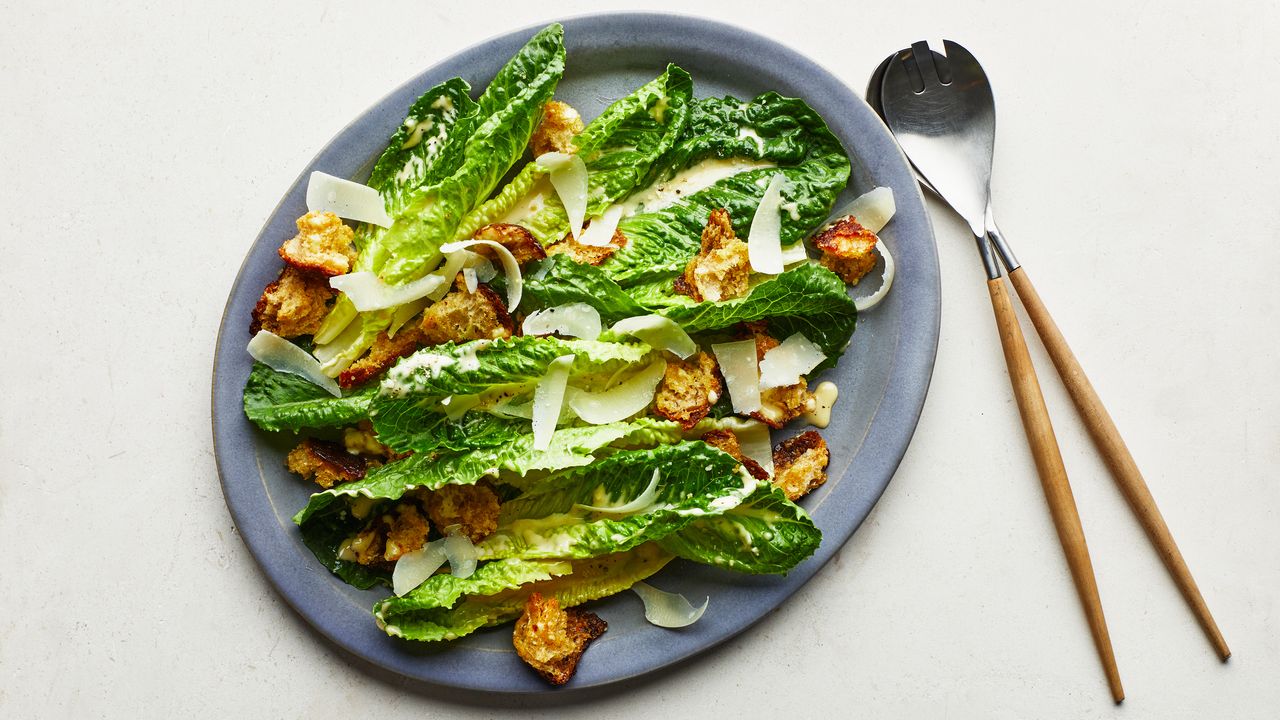
The Original Caesar Salad: Mastering the Art of Dressing in a Wooden Bowl
Few dishes command the timeless appeal and universal adoration of the classic Caesar salad. More than just a simple mix of greens, it's a symphony of textures and flavors: crisp romaine, crunchy, savory croutons, a generous dusting of Parmesan cheese, and above all, that unmistakably bold, garlicky, and utterly irresistible dressing. While countless interpretations exist today, true connoisseurs understand that the authentic experience lies in embracing the methods of its 1924 origin. This article delves into the heart of what makes the original Caesar so special, with a particular focus on the time-honored tradition of preparing its iconic dressing directly within a wooden salad bowl.
Forget bottled dressings and pre-packaged croutons. To truly appreciate the culinary genius of Caesar Cardini, the Italian immigrant and restaurateur who first created this masterpiece in Tijuana, Mexico, you must embark on a journey of hands-on preparation. It's a journey that promises a salad so vibrant, so perfectly balanced, and so utterly delicious, it will forever redefine your understanding of this beloved dish. Our exploration will guide you through each crucial step, ensuring your homemade Classic Caesar Salad Recipe: Crisp Greens, Bold Dressing captures the essence of its storied past.
The Heart of the Matter: Crafting the Classic Caesar Dressing
The soul of any classic Caesar salad resides unequivocally in its dressing. What sets the original apart is not just its robust flavor profile, but the ingenious method of its creation. Instead of a separate whisking bowl, the dressing is built layer by layer, directly within the very bowl destined to hold your finished salad. This isn't just a quirk; it's a foundational technique that contributes to the dressing's unique character and emulsification.
You begin by creating a pungent paste, a marriage of assertive flavors that lay the groundwork. Fresh garlic cloves, crushed and finely minced, are combined with anchovy fillets. Don't shy away from the anchovies; they dissolve almost entirely, lending a deep umami richness rather than an overtly fishy taste. Mashing these two ingredients together with the back of a fork until smooth is a crucial step that releases their full aromatic potential.
Next, the liquid magic begins. Into this pungent paste, you'll whisk in a medley of bright and savory notes: fresh lemon juice for zesty acidity, a dash of Worcestershire sauce for depth and complexity, a spoonful of Dijon mustard for its subtle tang and emulsifying properties, and a generous crack of freshly ground black pepper. Finally, the critical binding agent: a single egg yolk. Whisk all these components vigorously with a fork until they are thoroughly blended and starting to come together.
The transformation occurs as you slowly stream in olive oil, whisking continuously. This steady, patient addition, combined with the power of the egg yolk and mustard, creates a creamy, luscious emulsion. The dressing should be thick enough to cling to the lettuce leaves without being heavy. It's a testament to the simplicity and effectiveness of traditional techniques that such a sophisticated dressing can be achieved with basic ingredients and a bit of elbow grease.
It's important to note a key characteristic of authentic Caesar dressing: there is no cheese in the dressing itself. The grated or shaved cheese is added directly to the greens and croutons before serving, ensuring its fresh texture and flavor shine through. For those concerned about raw eggs, a simple and effective substitution is to use 1 tablespoon of high-quality store-bought mayonnaise in place of the egg yolk. This provides the necessary emulsifying properties without the raw egg risk. To delve deeper into perfecting your dressing and other key components, explore our guide on Elevate Your Caesar: Perfect Dressing & Peppery Croutons.
The Significance of the Wooden Bowl
The instruction to make your classic Caesar salad dressing directly in a wooden bowl is more than just an aesthetic preference; it's a practical detail rooted in culinary tradition and scientific principles. While a regular salad bowl will certainly yield a delicious result, the wooden bowl offers distinct advantages that contribute to the authentic Caesar experience.
Firstly, the natural finish and slight porosity of wood provide a superior surface for mashing. When you press down on garlic and anchovies with the back of a fork, the wood offers a gentle resistance that helps create a finer, more consistent paste than the slick surfaces of glass or stainless steel. This ensures a smoother dressing base, where the powerful flavors are evenly distributed.
Secondly, wood is a non-reactive material. This is particularly important when dealing with acidic ingredients like lemon juice. Unlike certain metals that can subtly interact with acids, potentially imparting an off-flavor or causing discoloration, wood remains neutral. This ensures the bright, tangy notes of the lemon juice remain pure and unadulterated, preserving the intended balance of the dressing.
Finally, and perhaps most delightfully, building the salad and its dressing in the serving bowl itself is a testament to efficiency. It reduces the number of dirty dishes, streamlines the preparation process, and brings a certain rustic charm to the cooking experience. The wooden bowl isn't just a vessel; it becomes an integral part of the crafting process, imbued with the flavors of countless salads over time, developing a subtle seasoning that further enhances each subsequent creation.
Of course, if a wooden bowl isn't available in your kitchen arsenal, don't let it deter you from creating this magnificent dish. Your favorite salad bowl will work perfectly well, and the dressing will taste just as good. The core techniques and quality ingredients are paramount, but embracing the wooden bowl merely adds an extra layer of authenticity and ease to the process.
Beyond the Dressing: Perfecting Every Element
While the dressing is the undisputed star, a truly exceptional classic Caesar salad relies on the careful preparation of every single component. Each element plays a vital role in achieving that perfect harmony of crunch, creaminess, and flavor.
Crisp Romaine Lettuce
Romaine lettuce is the quintessential green for Caesar salad for good reason. Its sturdy, crisp leaves stand up beautifully to the robust dressing without wilting, providing that satisfying crunch with every bite. When prepping, always trim off any limp or bruised outer leaves and the very bottom of the head. Rinse the leaves thoroughly under cold water, paying attention to remove any grit. The most crucial step here is to dry the lettuce completely. Excess moisture is the enemy of a good salad, causing the dressing to slip right off the leaves and leading to a soggy, unappetizing result. A salad spinner is your best friend here, or a thorough pat-down with paper towels.
Buttery, Peppery Croutons
Homemade croutons are a non-negotiable for an authentic Caesar. They provide a textural counterpoint that bottled versions simply cannot replicate. Our recipe elevates these humble bread cubes with not one, but two sources of heat: a touch of cayenne pepper and a generous amount of freshly ground black pepper, in addition to garlic and melted butter. Starting with day-old bread is ideal, as it absorbs the butter and seasonings better and crisps up more effectively. Ensure you bake or pan-fry them until they are golden brown and wonderfully crunchy, then allow them to cool completely before adding them to the salad. This prevents them from softening prematurely when tossed with the dressing.
Parmesan or Pecorino: The Finishing Touch
The cheese component adds a final layer of salty, nutty, or sharp flavor that brings the entire salad together. You'll need a full cup of freshly grated or shaved cheese for this recipe. Traditionalists often opt for Parmesan (Parmigiano-Reggiano), which lends a milder, nuttier, and slightly less salty profile. For those who prefer a more assertive, sharper, and saltier kick, Pecorino Romano is an excellent choice. The key is freshness – grate or shave it just before assembling the salad to maximize its aroma and flavor. This final touch elevates a good Caesar to a truly memorable one. For more detailed instructions on perfecting these components, our article Classic Caesar Salad Recipe: Crisp Greens, Bold Dressing offers comprehensive guidance.
Serving Suggestions and Variations
The beauty of the classic Caesar salad lies in its versatility. It excels as a sophisticated starter, setting the stage for any meal with its vibrant flavors and refreshing crunch. However, it's equally capable of shining as a light yet satisfying main course. To transform it into a more substantial dish, consider topping it with some lean protein. Poached chicken breast, thinly sliced and still warm, adds a delightful tenderness. Seared shrimp, with its natural sweetness and slight char, provides a contrasting texture and elevates the salad to an elegant meal. Grilled salmon or even a perfectly cooked steak can also find a happy home atop a generous bed of Caesar, proving that this classic can adapt to almost any occasion while maintaining its iconic appeal.
Conclusion
The classic Caesar salad is more than just a recipe; it's a testament to the enduring power of simple, high-quality ingredients transformed by thoughtful preparation. By embracing the traditional method of making the dressing in a wooden bowl, carefully preparing each component from the crisp romaine to the buttery croutons, and understanding the nuances of its flavors, you unlock a culinary experience that is both historically rich and utterly delicious. This iconic salad, born of necessity and elevated by ingenuity, continues to captivate palates worldwide. We encourage you to roll up your sleeves, gather your ingredients, and rediscover the profound satisfaction of crafting the original Caesar salad in your own kitchen.
